Uncategorized

gallery

What Should You Look for in a Wedding Reception Venue in Leawood?

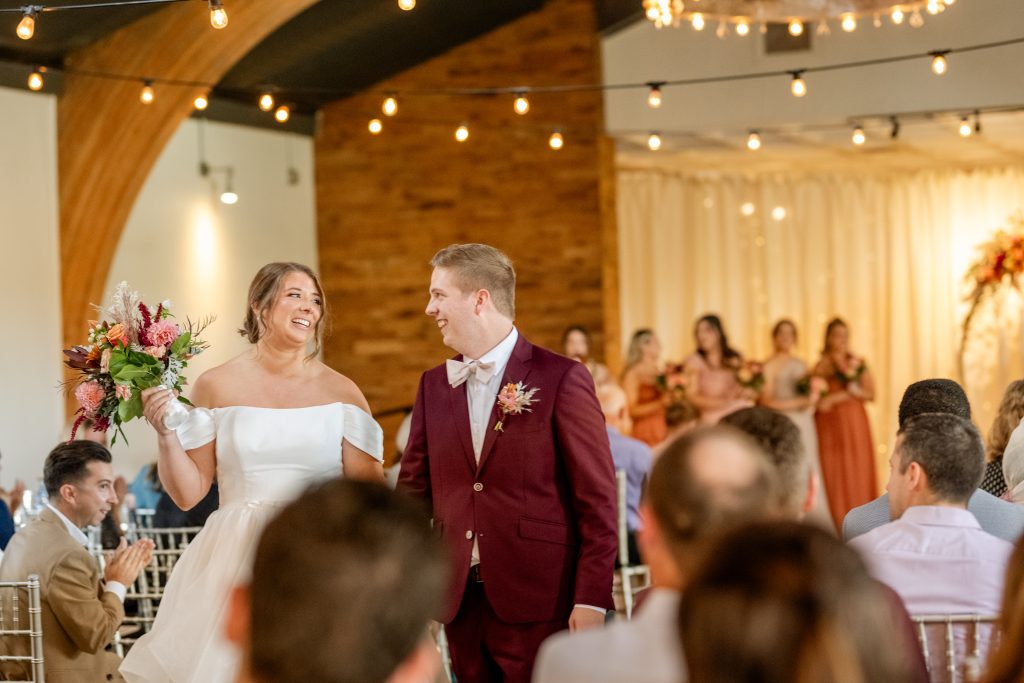
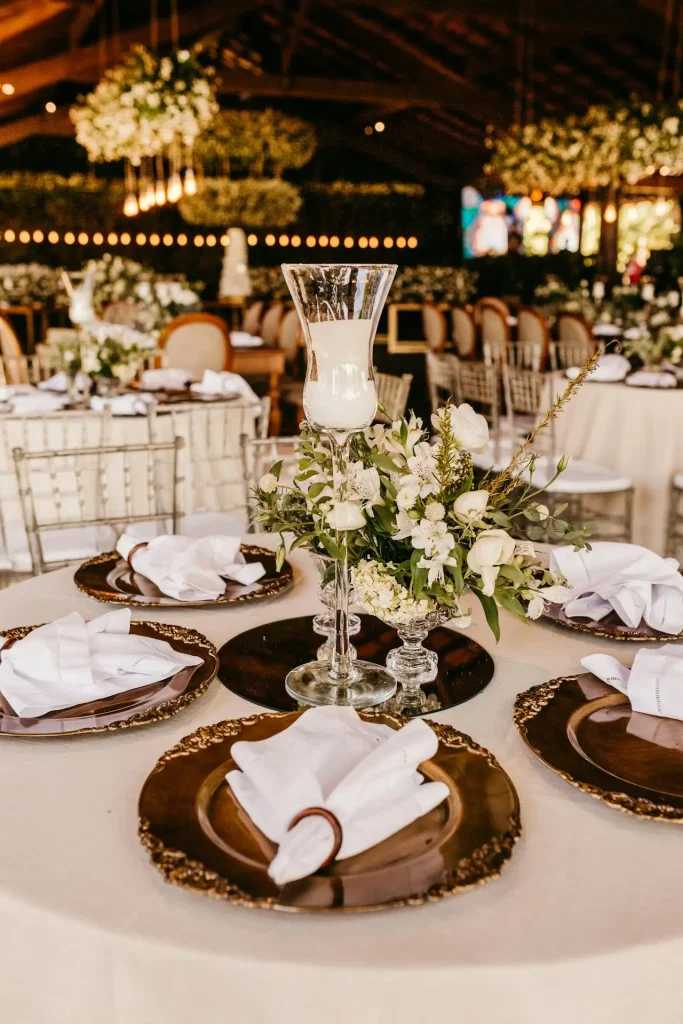
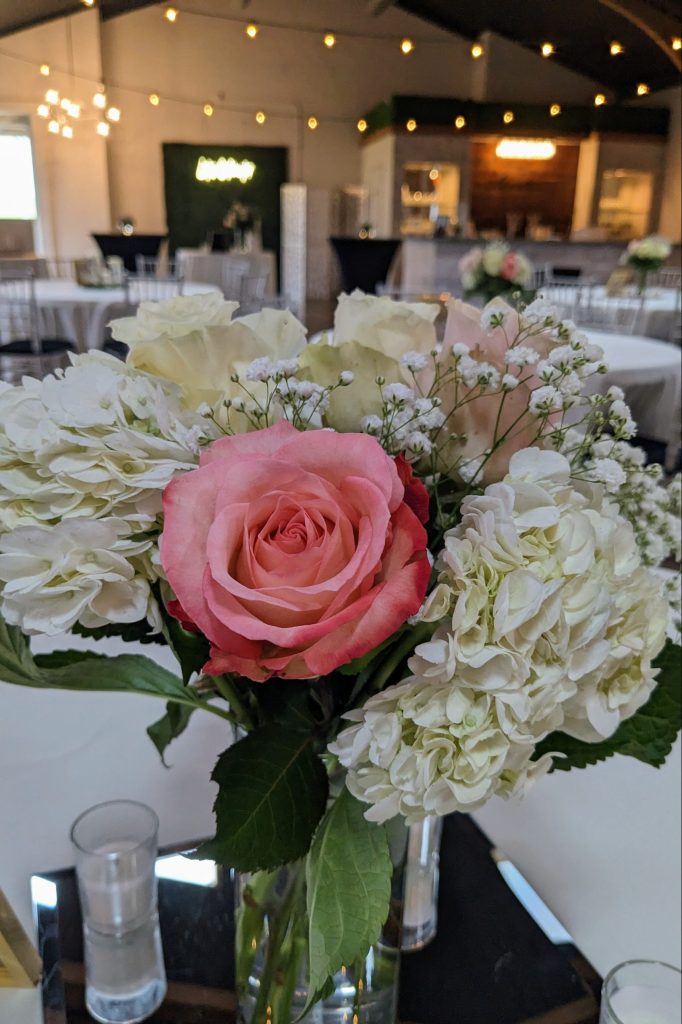
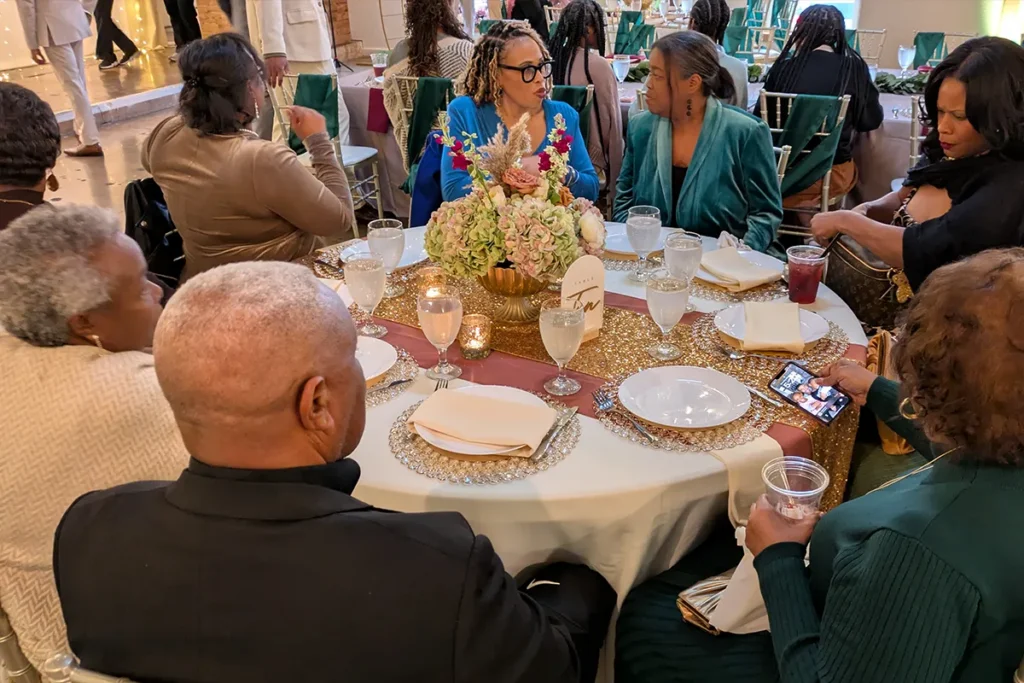
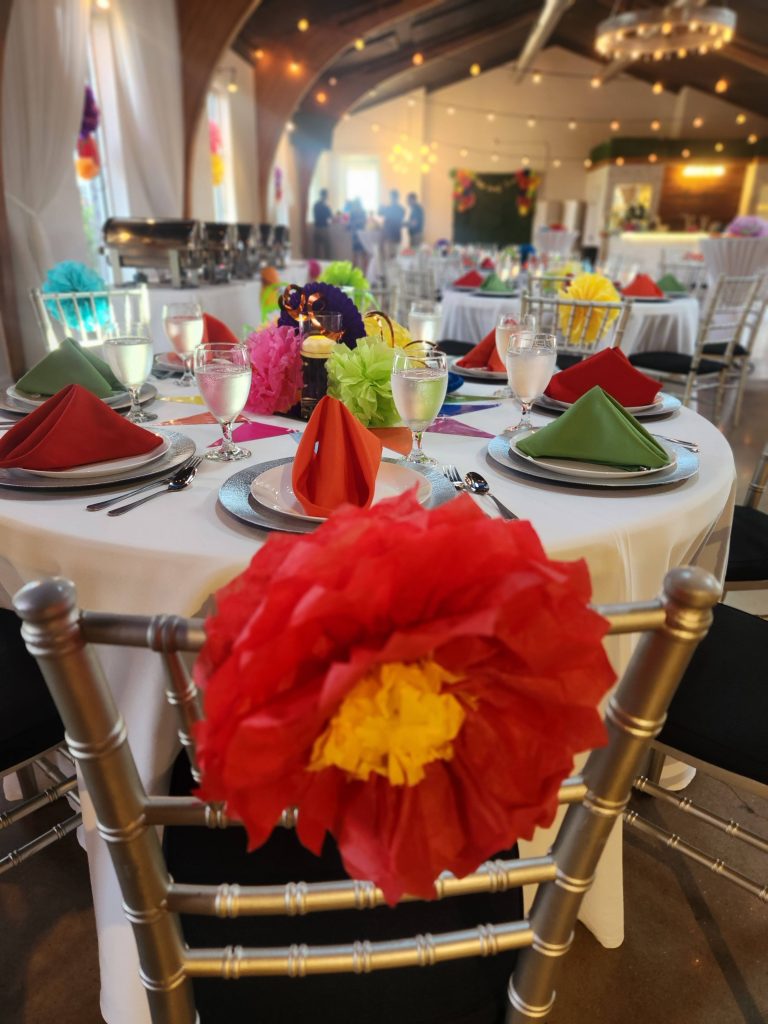
A reception-only celebration has a different planning problem from a ceremony-and-reception wedding. Guests may be arriving from another ceremony location, the wedding party may need a place to regroup, and the venue must be ready to move directly into cocktails, dinner, speeches, and dancing. The strongest reception venue will make that handoff feel simple. It should offer a realistic arrival plan, enough access time for vendors and personal items, a comfortable dinner-and-dance layout, coordinated food and beverage service, and clear responsibilities for setup and cleanup. Our wedding reception venue in Leawood is designed for couples holding the ceremony elsewhere. We currently offer standard and complete reception packages with five hours of event time, longer day-of access, venue coordination, furniture, linens, audiovisual equipment, a private courtyard, onsite parking, and different levels of included support. Table of Contents Map the Transition from Ceremony to Reception Separate Venue Access from Reception Time Compare the Standard and Complete Scope Design the Room Around Dinner and Dancing Coordinate Catering, Bar Service, and Speeches Confirm the End-of-Night Plan Walk the Reception Day from First Delivery to Final Pickup Frequently asked questions Plan a Reception-Only Celebration with Our Team Map the Transition from Ceremony to Reception Write down the ceremony end time, travel route, photography plan, expected guest-arrival window, and the time the wedding party wants to enter the reception. If the ceremony is in Leawood, remember that guests are crossing into Missouri and may follow different navigation routes to Holmes Road. Decide whether guests will arrive before the couple and what they should experience first. Cocktail service, signage, music, seating, and access to the courtyard can make the arrival feel intentional while the wedding party finishes photographs or travels from the ceremony. Separate Venue Access from Reception Time Access hours are not the same as celebration hours. Current reception packages provide either 12 or 14 hours of day-of access but identify a five-hour reception. The additional time supports getting ready, vendor arrival, setup, photographs, teardown, and other work around the event. Build a schedule for every group using that access: venue staff, caterers, florists, DJ, photographer, cake delivery, and wedding party. A long access window is valuable only when the responsibilities and arrival times are coordinated.     Compare the Standard and Complete Scope Do not choose between packages by name alone. Compare coordination level, bridal-suite access, included decorations, cake service, setup and cleanup, and the items the couple must still arrange. Then add catering, beverages, service fees, security if required, and any optional rentals to the total. Use our current package and pricing overview to identify the right category, then rely on the dated proposal for your event. Current public terms state that a signed contract and 50% of the venue rental fee are required to reserve the date and that the final balance is due 21 days before the event. Design the Room Around Dinner and Dancing Ask for a floor plan near the actual guest count. It should show dining tables, the head or sweetheart table, dance floor, DJ or band, bar, buffet or serving path, cake, gifts, photo backdrop, restrooms, exits, and accessible aisles. The maximum guest count does not show how all of those functions fit together. For a hypothetical 140-person reception, a large dance floor or multiple buffet lines may matter more than squeezing in one additional table. Decide which experience is most important and use that priority to evaluate the plan. Coordinate Catering, Bar Service, and Speeches Our in-house catering information describes made-from-scratch menus and service support. Discuss menu customization, dietary accommodations, tableware, serving style, staffing, and the timing of dinner before approving the reception timeline. Place speeches, cake cutting, first dances, and bar transitions around food service rather than treating them as separate schedules. Ask who gives the venue team the cue for each moment and what happens if photographs or the ceremony run late. Confirm the End-of-Night Plan Clarify last call, final song, rideshare pickup, personal-item removal, vendor teardown, and who checks the suites or decor table before departure. Our team handles setup and teardown of venue-owned items, while clients remain responsible for personal decorations and belongings unless another service is arranged. The final plan should identify one couple-side contact and one venue-side contact. That gives vendors and family members a clear place to take questions without pulling the couple away from the reception. Walk the Reception Day from First Delivery to Final Pickup A wedding reception venue in Leawood should be able to explain the full operating day, not only the five hours when guests are celebrating. Start with the first vendor delivery and identify when suites, the ballroom, courtyard, kitchen, loading areas, and parking become available. Continue through the wedding-party arrival, guest welcome, dinner service, formal dances, speeches, cake, last call, final song, and departure. Then account for personal belongings, rental pickup, vendor teardown, and the venue’s closing procedure. This timeline shows whether the access period supports the real workload. Review the sequence with the ceremony location and transportation plan beside it. A clear handoff helps the photographer, wedding party, and guests arrive without colliding with vendors who are still setting the room.   Frequently Asked Questions   Can we book your venue for the reception only? Yes. Our reception packages are intended for couples holding the ceremony elsewhere. Confirm current availability, package scope, access time, and event time for your date. How many reception guests can the venue seat? Our current FAQ lists up to 150 seated guests for weddings and receptions. The comfortable layout depends on the dance floor, bar, food service, entertainment, and other event elements. Are tables, chairs, and linens included? Current reception packages include round, banquet, and cocktail tables, Champagne Chiavari chairs, and black, white, or ivory linens. Verify quantities and current terms in the proposal. Can outside caterers or bartenders serve the reception? Our current policy generally requires in-house catering and requires all alcoholic and non-alcoholic beverages to be provided and served by our team. Ask about any

What Should You Look for in a Wedding Reception Venue in Leawood? Read More »
Comparing Wedding Venues in Leawood: 10 Questions to Ask Before You Book

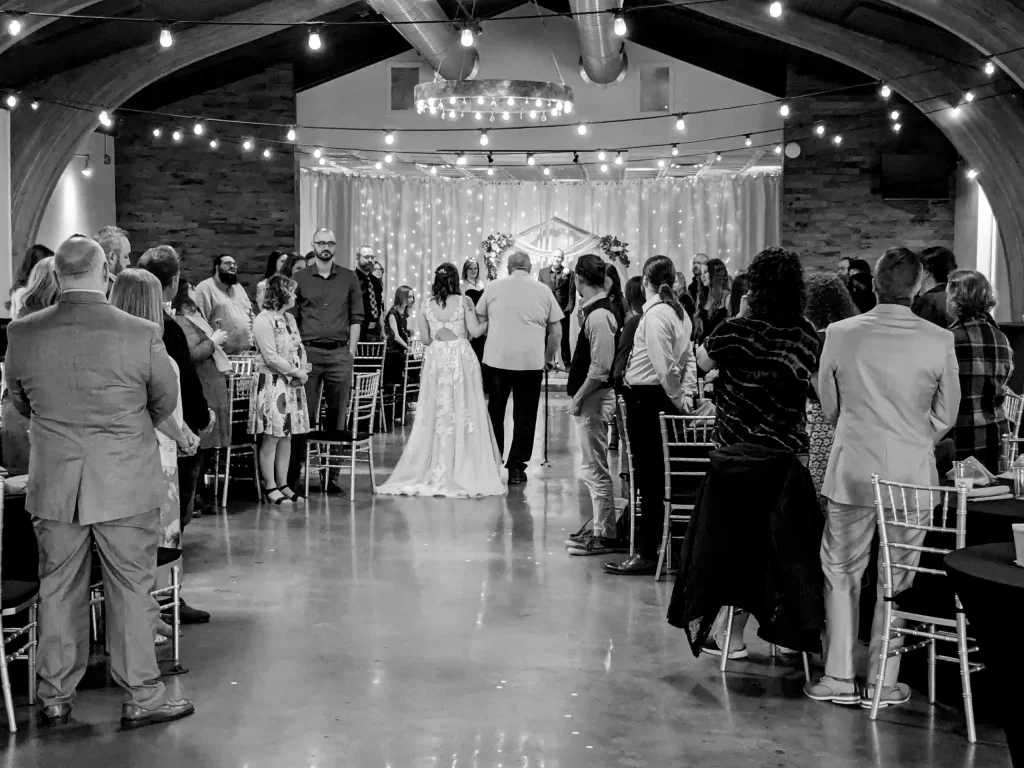
A venue decision shapes almost every other wedding decision: the guest count, schedule, catering plan, decor, transportation, and even how much time you spend coordinating vendors. When couples compare wedding venues in Leawood, the most useful question is not simply, ‘Is the room beautiful?’ It is, ‘Will this space support the day we actually want to have?’ The Martin Event Space gives Leawood-area couples a distinctive option just across State Line in Martin City. The venue is located at 13440 Holmes Road in Kansas City, Missouri, inside a restored 1890 church with original wooden arches and a 17-foot vaulted ceiling. This guide explains what to compare, what to ask on a tour, and how to recognize a venue package that will make planning easier from the first walkthrough to the final send-off. Quick answer: Choose a venue by comparing total capacity, guest flow, included services, catering and beverage rules, parking, weather backup, vendor requirements, coordination support, and the full package cost. A venue that fits your schedule and reduces handoffs can be more valuable than a lower base rental that leaves most logistics to you. What Should You Compare Before Choosing Wedding Venues in Leawood? A strong comparison starts with the experience you want guests to have. Write down the nonnegotiables before touring: estimated attendance, ceremony location, meal style, entertainment, accessibility needs, and the amount of setup you are willing to manage. Then ask every venue the same core questions. That makes the differences between a basic room rental and a full-service experience much easier to see. 1. Does the capacity work for the room layout you need? A published maximum is only the beginning. Ask how the room feels with your expected number of dining tables, a ceremony aisle, buffet or service stations, a dance floor, and space for a DJ or band. The Martin is designed for intimate and mid-sized celebrations and promotes wedding configurations for up to 150 guests. Your final floor plan should be based on the guest count and the activities taking place, not a single capacity number. 2. Can the ceremony and reception happen in one place? Hosting both parts of the wedding at one venue can eliminate a second round of parking, directions, and vendor setup. Ask how the transition is handled if the same room is used twice. The Martin’s ceremony and reception packages include options such as a room flip, venue access, tables, chairs, linens, bridal suites, A/V, and setup support, depending on the selected package. Confirm the current inclusions for your date before signing. 3. What does ‘all-inclusive’ actually include? The phrase can mean very different things from one property to another. An all-inclusive wedding venue in Leawood might bundle only furniture and linens, while another may include coordination, catering, beverage service, decorations, staffing, setup, teardown, and cleanup. Request an itemized list and mark each service as included, optional, or outside the venue’s scope. That simple exercise prevents an appealing headline price from becoming a complicated vendor list later.     4. Is the location convenient for both Kansas and Missouri guests? Leawood couples often invite guests from both sides of the state line. The Martin’s Martin City address places it near State Line Road and provides onsite parking, which can simplify arrival for guests coming from Leawood, Overland Park, south Kansas City, and other metro communities. During a tour, look at the route guests will use, the parking entrance, accessibility from the lot, and the pickup plan for anyone using rideshare transportation. 5. Does the setting support your visual style without excessive decorating? A venue with built-in character can reduce the number of items you need to source. The Martin’s vaulted wooden arches, chandeliers, neutral interior, greenery wall, and private courtyard offer several visual zones for a ceremony, dinner, portraits, and evening photos. Review the venue’s wedding and event gallery and then visit in person at roughly the same time of day as your planned celebration so you can evaluate light, room scale, and photo locations realistically. 6. What is the weather backup plan? An outdoor courtyard can add breathing room to a celebration, but every outdoor element needs an indoor alternative. Ask where cocktail hour, portraits, or a ceremony would move if the weather changes. Also ask when the final decision must be made and who directs the transition. A clear backup plan lets you enjoy an outdoor option without making the day depend on a perfect forecast. 7. How are food and beverages handled? Food service affects the timeline, staffing, rentals, cleanup, and guest experience. The Martin provides made-from-scratch in-house catering and in-house beverage service, with menu customization and support for dietary restrictions. Ask how the menu is selected, what tableware and service staff are included, whether tastings are available, how allergies are communicated, and when the final guest count is due. Those operational details matter as much as the menu itself. 8. Who manages setup, transitions, and the timeline? Clarify the difference between a venue coordinator and a day-of coordinator. A venue coordinator primarily protects the venue and manages venue-provided items. A day-of coordinator may take broader responsibility for the event timeline and vendor communication. The Martin offers coordination and planning support at different levels, so couples should choose a package that matches the complexity of their celebration and confirm exactly who will own each task. 9. What are the vendor rules? Vendor flexibility is valuable, but every venue has boundaries. The Martin has an open vendor policy for many categories, including planners, photographers, videographers, bakers, officiants, florists, and bands. Weddings and receptions use DJs from the venue’s preferred list, while catering and beverage services are provided in-house. Review the current additional services and vendor policy before hiring outside professionals so every contract works together. 10. What will the complete wedding cost, not just the rental fee? When evaluating wedding venues in Leawood, compare the total cost of creating the same experience at each location. Include the rental, service fees, taxes, coordination, catering, beverages, staffing,

Comparing Wedding Venues in Leawood: 10 Questions to Ask Before You Book Read More »

How to Choose a Corporate Event Venue in Leawood or Nearby Kansas City

A company event succeeds when the space supports the purpose. A quarterly meeting needs clear sightlines and dependable presentation tools. A networking reception needs room for movement and conversation. An awards dinner needs smooth service and a schedule that keeps the evening moving. When teams search for a corporate event venue in Leawood, they should compare more than decor and an hourly rate. The Martin Event Space offers Leawood-area organizations a full-service option just across State Line in Martin City. Located at 13440 Holmes Road in Kansas City, Missouri, the restored 1890 church combines a memorable historic setting with flexible layouts, in-house catering, Wi-Fi, presentation equipment, onsite parking, and event support. Here is how to build a corporate gathering that feels polished without turning your internal team into a temporary event company. Quick answer: Start with one business outcome, choose a layout that supports it, build an agenda with deliberate transitions, and select a venue that can consolidate food, A/V, setup, and cleanup. The fewer operational handoffs your team must manage, the more attention you can give to employees, clients, and content. Start With the Business Goal, Not the Room Setup Before requesting proposals, write one sentence that defines success. Examples include, ‘Employees understand next year’s priorities,’ ‘Clients meet three useful new contacts,’ or ‘The team feels recognized for a demanding year.’ That sentence should guide the agenda, room layout, food service, technology, and timing. An event can be professional without feeling formal. The Martin’s vaulted wooden arches, chandeliers, neutral interior, greenery wall, and private courtyard create a setting that is more distinctive than a standard conference room while remaining adaptable for branded signs, presentations, dining, and social time. Match the format to the outcome Annual meetings and leadership updates need forward-facing seating, strong audio, and clear screen visibility. Awards dinners and holiday parties benefit from seated dining, a speaking area, music, and an easy route for food service. Networking events need open circulation, cocktail tables, concise programming, and sound levels that allow conversation. Training sessions and workshops need comfortable seating, writing surfaces when appropriate, reliable Wi-Fi, and planned breaks. Company milestones and retirement celebrations work best with a flexible mix of storytelling, dining, photos, and informal connection. How to Evaluate a Corporate Event Venue in Leawood A useful site comparison looks at how much work remains after you rent the space. The following factors reveal whether a venue will simplify the project or create more tasks for your team. Location and arrival For organizations with employees or clients on both sides of the state line, a south Kansas City location can reduce uneven travel. The Martin is near State Line and provides onsite parking. During a tour, confirm the parking entrance, accessible route, rideshare pickup point, signage options, and the arrival flow for buses or larger groups if needed. Capacity and floor-plan flexibility The Martin’s corporate event information lists up to 150 seated guests or 200 standing guests, with custom floor plans for the event format. Do not choose a layout based only on attendance. A 100-person dinner, a 100-person presentation, and a 100-person networking event use the room differently. Ask the venue team to show where speakers, screens, food stations, registration, and social areas would go. Presentation and sound support A polished event depends on technology that is planned before attendees arrive. The Martin lists microphones, a projector and screen, TVs, Wi-Fi, surround sound speakers, and music support for corporate events. Share your presentation format, video needs, speaker count, and music plan early. Schedule a test for high-stakes presentations and bring final files in more than one format.     Food, beverages, and service timing In-house food service can simplify the agenda because the culinary and venue teams work within the same operating plan. The Martin offers scratch-made catering with customizable menu options and can accommodate dietary restrictions. Ask when final counts and dietary notes are due, whether service will be buffet, plated, or passed, and how food service will fit around presentations or awards. Setup, teardown, and cleanup Internal teams often underestimate the labor behind an event. Loading signs, arranging chairs, placing decor, testing equipment, clearing tables, and packing at the end can consume hours. The Martin’s corporate and event packages include setup, teardown, and cleanup for venue-provided items. Confirm what your team or outside vendors remain responsible for, along with access and removal times. One point of coordination A corporate event rental in Leawood may involve a venue manager, caterer, rental company, A/V provider, decorator, and security service. Each separate provider adds a schedule and a handoff. A full-service model can combine many of those functions. Ask who will be your primary contact during planning, who leads the event onsite, and how last-minute questions are handled. A Simple Agenda Framework That Keeps People Engaged Long events feel shorter when the purpose is clear and the format changes at sensible intervals. Use this five-part framework as a starting point, then adjust it for your audience and objective. Arrival: Allow time for parking, check-in, coats, beverages, and informal conversation. Use signs so guests know where to go without asking. Welcome: Open with a concise explanation of why the group is together, what will happen, and what guests should take away. Core content: Put the most important presentation, recognition, or working session before attention drops. Keep speaker transitions rehearsed. Shared experience: Use a meal, networking prompt, awards segment, demonstration, or courtyard break to shift the energy. Close: End with a clear next step, a final recognition moment, or a reason to continue the conversation after the event. Build short buffers around food service and room changes. A ten-minute cushion is easier to absorb than a rushed transition. Assign one decision-maker from your organization who can approve timing adjustments during the event. When Does an All-Inclusive Event Space Make Sense? An all-inclusive event space in Leawood is especially useful when the person planning the event also has a full-time operational role. If an office manager, executive assistant, HR leader,

How to Choose a Corporate Event Venue in Leawood or Nearby Kansas City Read More »

How Do You Choose the Right Wedding Venue in Kansas City?

Choosing a wedding venue is not simply a search for the prettiest room. The venue sets the practical boundaries for the guest list, food and beverage plan, schedule, vendor team, weather backup, and the amount of coordination the couple must manage. To choose the right wedding venue in Kansas City, compare each option against the same real event plan. A venue is a strong fit when the space supports the day comfortably, the package matches the budget, the policies work with your priorities, and we can explain responsibilities clearly before you sign. At our venue, we recommend choosing a wedding venue by testing four things together: comfortable guest flow, complete package cost, service and vendor policies, and confidence in the team responsible for the day. If all four align with your actual wedding plan, the venue is likely the right fit. Table of Contents Start with the Wedding You Are Actually Planning Compare Comfortable Capacity and Guest Flow Price the Complete Plan, Not the Starting Number Decide How Much Planning Support You Want Check Vendor Policies Before You Fall in Love with the Space Use the Tour to Evaluate Trust Use a Side-by-Side Wedding Fit Test Frequently Asked Questions See Whether Our Venue Fits Your Wedding Plan Start with the Wedding You Are Actually Planning Write a one-page event brief before building a venue shortlist. Include the likely guest range, ceremony and reception plan, preferred season, meal style, bar expectations, entertainment, accessibility needs, and three priorities that cannot be compromised. This keeps a striking photo from outweighing a poor operational fit. For a 120-person wedding, for example, the question is not whether the room can hold 120 chairs. The room also needs to support dining, dancing, bar service, buffet or plated service, vendor work areas, and comfortable aisles. A realistic brief gives every venue the same problem to solve. Compare Comfortable Capacity and Guest Flow Ask to see a floor plan close to your guest count and service style. Trace the path from parking to the entrance, ceremony, cocktail period, dinner, restrooms, bar, dance floor, and exit. Bottlenecks often appear where guests queue, servers move, or two parts of the event share the same space. Our FAQ section shows that up to 150 seated guests can be accommodated for weddings and receptions and up to 90 guests for a courtyard ceremony. Use those figures as screening information, then confirm how your floor plan works with the venue team. Price the Complete Plan, Not the Starting Number Compare the space, furniture, linens, audiovisual equipment, coordination, rehearsal access, setup, cleanup, food, beverages, service charges, security, insurance, and optional upgrades. Mark each item as included, required extra, or optional. A lower base rate can still be a good value, but only after the missing work and rentals are counted. Our website shows separate ceremony and reception packages and reception-only packages. Review the current option that matches your event, and use the proposal for your date as the final package reference.     Decide How Much Planning Support You Want Some couples want to select and manage every vendor. Others prefer a venue with more built-in services. Neither approach is automatically better. The right fit depends on how much time, decision-making, and day-of responsibility you want to carry. Ask who creates the floor plan, communicates with venue staff, cues major transitions, manages the room flip, and handles venue-owned decor. Clarify the difference between a venue coordinator and a day-of coordinator. A written responsibility list is more reliable than a job title. Check Vendor Policies Before You Fall in Love with the Space Catering, beverages, entertainment, and decor rules can reshape both the budget and the wedding style. Ask about required in-house services, preferred vendors, vendor insurance, delivery schedules, kitchen access, sound limits, candles, hanging decor, and cleanup responsibilities before booking. Check out our vendor and additional-services policy if you have questions. We allow many outside vendors while generally keeping catering and beverage service in-house and requiring wedding DJs from our preferred list. Confirm the current policy in the contract for your event. Use the Tour to Evaluate Trust Notice whether the team answers specific questions with specific information. A helpful venue representative should be able to explain what changes by package, what the staff handles, what the couple handles, and what happens when the original plan changes. Clear boundaries are a trust signal, not a lack of flexibility. At our venue, couples can evaluate both the practical system and the setting: a historic building built in 1890 in the Martin City area, original architectural character, indoor event space, a private courtyard, and onsite parking. The decision should still come back to your event brief and current written terms. Use a Side-by-Side Wedding Fit Test Consider a couple planning a 120-person wedding with a courtyard ceremony, buffet dinner, hosted bar, DJ, and several relatives who need step-free routes. Venue A photographs beautifully but requires separate furniture rentals and leaves the weather conversion to outside vendors. Venue B costs more at the starting point but provides the core furniture, a defined indoor backup, and a venue team with written setup responsibilities. The comparison should not end with the room rates. Score both venues on comfortable layout, total cost, coordination workload, weather resilience, vendor fit, and guest access. The right choice is the one that performs best against the couple’s priorities after every required service and responsibility is counted.   Frequently Asked Questions   Should we choose a venue before setting the guest list? Set a realistic guest range first. The venue does not need a final RSVP count, but it should comfortably support the likely range with the layout and service style you want. How can we compare two wedding venues fairly? Use the same guest count, date assumptions, event length, meal style, bar plan, and must-have features. Compare total cost, responsibilities, policies, and guest flow alongside appearance. Does a full-service venue mean every service is included? No. Full-service describes the level of support available,

How Do You Choose the Right Wedding Venue in Kansas City? Read More »

What Should a Corporate Event Space Have Before You Book in Kansas City?

A corporate event space has to do more than hold a headcount. It must support the agenda, protect the company’s professional image, keep attendees comfortable, and give the planner a workable system for presentations, meals, networking, setup, and schedule changes. Before booking a corporate event space in Kansas City, test the venue against the program minute by minute. The strongest choice will provide the right layout, dependable presentation tools, food and beverage support, clear staffing responsibilities, and practical access for employees arriving from both sides of the state line. When planners ask us what a corporate event space should have before they book, our answer is straightforward: the room must support the agenda, the technology must be tested, food service must fit the schedule, and staffing, access, parking, and costs must be clearly defined in writing. Table of Contents A Layout That Supports the Business Goal Presentation Tools That Are Ready Before Guests Arrive Food and Beverage Service That Fits the Agenda Access for Attendees, Vendors, and Presenters A Defined Venue Team and Escalation Plan Written Terms That Protect the Program and Budget Run an 85-Person Awards Dinner Through the Space Frequently Asked Questions Walk Through Your Corporate Agenda at Our Venue A Layout That Supports the Business Goal Begin with the event objective. An awards banquet needs sightlines to a stage and a service plan that does not compete with speeches. A leadership meeting needs comfortable focus, presentation support, and space for breaks. A networking event needs circulation, conversation zones, and bar or food placement that draws people through the room. Ask for a custom floor plan based on the actual attendee count and agenda. Include registration, coat storage, presentation equipment, sponsor displays, buffet lines, bars, accessibility routes, and the space presenters need before going onstage. Presentation Tools That Are Ready Before Guests Arrive A screen listed on an amenities sheet is not enough. Confirm inputs, adapters, microphones, speaker coverage, internet access, lighting control, and who will help with setup. Schedule a soundcheck and slide test using the same device and files the presenter will use. Check out our corporate-event information page for a list of things you may need. This may include microphones, a projector and screen, televisions, Wi-Fi, surround sound, and presentation setup support. Ask which equipment is included with your selected rental and who will be available during the program.     Food and Beverage Service That Fits the Agenda The catering format should follow the event rhythm. A working lunch needs efficient service and minimal disruption. A banquet may need courses or a buffet timed around awards. A networking reception benefits from food that can be served without creating one long queue. Ask about dietary accommodations, service staff, tableware, water service, bar timing, cleanup, and the deadline for the final count. Position food and drinks so attendees can move without crossing the speaker’s sightline or blocking registration. Access for Attendees, Vendors, and Presenters Corporate planners should map arrival from three perspectives. Attendees need clear parking and an obvious entrance. Vendors need a delivery window and load-in route. Presenters need early access to test equipment and a quiet place to review the program. Our venue is on Holmes Road near State Line, which can be practical for teams traveling from both Missouri and Kansas. Confirm onsite parking, accessible routes, rideshare pickup, signage, and any overlap between vendor unloading and attendee arrival. A Defined Venue Team and Escalation Plan Ask for one venue contact before the event and one onsite decision-maker during it. Define who adjusts the floor plan, manages venue staff, responds to spills, troubleshoots sound, communicates with catering, and approves a timing change. A realistic test is to ask what happens if a speaker runs 20 minutes late. The answer should explain how food service, room access, staff time, and the event end time would be handled. That response reveals more about operational readiness than a general promise of flexibility. Written Terms That Protect the Program and Budget Review the rental period, setup window, overtime, service fees, food and beverage terms, cancellation, rescheduling, security, insurance, damage provisions, and final guest-count deadline. Corporate calendars can change, so route the current contract through the person authorized to approve the spend. Our website shows event rental packages and common FAQs so you can prepare questions, then rely on the proposal and contract issued for the event. Hourly, full-event, and recurring options all have different scopes. Run an 85-Person Awards Dinner Through the Space Imagine an 85-person company awards dinner with registration at 5:30, cocktails at 6:00, dinner at 6:45, and a presentation at 7:30. The venue needs a visible welcome point, a bar that does not block check-in, dining tables with clear sightlines, a tested microphone, and food service that can pause while awards are presented. Ask the venue team to walk through that schedule and identify the owner of each transition. This scenario exposes whether the room, equipment, catering staff, and coordinator are working from one program. It also reveals how a late speaker or delayed dinner would affect staffing, access time, and the event end time.   Frequently Asked Questions   How much space does a corporate event need? The answer depends on format, not only attendance. A seated meal, presentation, networking reception, and workshop all require different floor plans. Ask for a layout built around the agenda. What audiovisual equipment should a corporate venue provide? Common needs include microphones, a projector or displays, speakers, Wi-Fi, and compatible inputs. Confirm the exact equipment, test procedure, and onsite support for your rental. Should corporate catering be planned before booking? Discuss it before signing because menu format, staffing, dietary needs, service timing, and beverage requirements can affect both the budget and floor plan. What should we ask about parking for a Kansas City company event? Confirm onsite capacity, accessible spaces, entrance signage, rideshare pickup, vendor load-in, and how employees arriving from Missouri and Kansas will approach the venue. Who should be onsite from the venue during the

What Should a Corporate Event Space Have Before You Book in Kansas City? Read More »

What Makes a Wedding Venue in Kansas City Easier to Plan Around?

A wedding venue can be beautiful and still create months of avoidable coordination. Planning becomes easier for all wedding venues in Leawood when the package, people, and deadlines form one understandable system. Couples know what is included, who owns each task, and how the day changes if the weather or timeline shifts. For couples, an easy-to-plan-around wedding venue should reduce handoffs without taking away meaningful choices. The goal is not to eliminate every decision. It is to make each decision in the right order with reliable information from a team that knows how our property operates. In our experience, a wedding venue feels easy to plan around when couples receive a clear package, an ordered decision calendar, defined responsibilities, a realistic floor plan, and a weather backup that works as well as the preferred plan. Those systems prevent avoidable last-minute decisions. Table of Contents A Package You Can Translate into a Task List A Planning Calendar with Decisions in the Right Order Fewer Handoffs Between Food, Beverage, and the Room A Floor Plan That Supports Every Transition A Weather Plan That Still Feels Intentional People Who Explain Boundaries Clearly Map the Decisions for a 100-Person Wedding Frequently Asked Questions See How the Planning Process Works at Our Venue A Package You Can Translate into a Task List The package should tell you more than which objects are included. It should show what the venue team sets, what outside vendors deliver, what the couple supplies, and which services can be upgraded. Turn the proposal into a working list with one owner beside every line. Our wedding package information separates standard, complete, micro-wedding, and weekend options. Because features and access differ, use the current proposal for your date to build the planning list. A Planning Calendar with Decisions in the Right Order An experienced venue process prevents couples from finalizing decor before the floor plan or selecting a service timeline before the menu. Ask when the guest count, layout, menu, beverages, vendor list, decor, rehearsal, and final timeline become due. The best calendar also identifies dependencies. The room layout affects linen counts. The meal style affects serving space. The ceremony location affects the room flip. When those relationships are explained early, fewer decisions need to be reopened later. Fewer Handoffs Between Food, Beverage, and the Room Planning becomes more complex each time one vendor must wait for information from another. In-house catering and beverage service can reduce handoffs because the venue, kitchen, serving team, and bar work from the same floor plan and timeline. That convenience still needs a detailed proposal. Confirm menu flexibility, dietary accommodations, tableware, staff, service charges, bar timing, cake service, and cleanup. Built-in service is useful when its scope is clear.   A Floor Plan That Supports Every Transition A wedding day is a sequence of movements: arrival, getting ready, ceremony, cocktail period, dinner, speeches, dancing, and departure. The venue should have a practical answer for each transition, including where guests wait during a room flip and how vendors move without crossing formal moments. Walk the routes for the couple, guests, servers, DJ, and photographer. Check that the bar does not pull guests away from the reception, the buffet does not block an exit, and grandparents can reach the ceremony and restrooms comfortably. A Weather Plan That Still Feels Intentional Kansas City weather makes the backup plan part of the real plan. Ask where an outdoor ceremony moves, when the decision is made, who resets the room, and whether the reception layout must change. The indoor version should be designed, not treated as an emergency afterthought. We offer indoor event space and a private courtyard. Our current FAQ lists a courtyard ceremony capacity of up to 90 guests. Couples considering that option should walk through both versions of the day during the tour. People Who Explain Boundaries Clearly A planning process feels calm when questions receive direct answers and responsibilities do not drift. Ask who your contact will be, how changes are documented, and which tasks belong to the venue coordinator, day-of coordinator, outside planner, or couple. Our scheduling page distinguishes venue tours, vendor meetings, and final planning sessions. That progression is a useful framework: first understand the space, then coordinate execution, then lock the final details with everyone working from the same plan. Map the Decisions for a 100-Person Wedding For a 100-person wedding, planning may begin with a courtyard ceremony and indoor reception. The ceremony location determines the chair plan and weather backup. The meal style affects buffet space and linen counts. The entertainment footprint affects the dance floor, bar location, and electrical needs. Those decisions cannot be finalized independently. An experienced venue process makes the dependencies visible. Approve the guest range and service style before the floor plan, the floor plan before final decor quantities, and the weather version before locking the timeline. This sequence prevents couples from paying to revise choices that were made in the wrong order.   Frequently Asked Questions   Does an inclusive wedding package always make planning easier? It can reduce vendor handoffs, but only when the inclusions, responsibilities, deadlines, and optional costs are clear. Package length alone does not create an organized process. What should a wedding planning calendar include? It should include deadlines for guest count, floor plan, menu, beverages, vendors, decor, rehearsal, final payment, timeline, and personal-item removal. How can couples avoid last-minute room-layout changes? Finalize the guest range, service style, entertainment footprint, accessibility needs, and weather backup before approving the floor plan. Who handles personal decorations at our venue? The current FAQ says the team handles venue-owned items and assists with some decor, while clients remain responsible for executing personal decorations and removing personal belongings. Confirm the current boundary for your package. What should we review at the final planning session? Review the floor plan, timeline, vendor arrivals, menu and bar details, weather decision, decor responsibilities, personal items, and the contact for day-of questions.   See How the Planning Process Works at Our Venue A

What Makes a Wedding Venue in Kansas City Easier to Plan Around? Read More »

How Do You Know If a Kansas City Venue Rental Is the Right Fit?

Venue rental decisions often go wrong when planners compare spaces without first defining the event. A birthday dinner, nonprofit fundraiser, retirement party, workshop, and standing reception can share a guest count while needing completely different layouts, staffing, food service, and access time. A Kansas City venue rental is the right fit when it supports the purpose, format, people, and budget without forcing major compromises. The most useful test is to run the event through the space from load-in to final pickup and identify who owns every step. We tell clients that a venue rental is the right fit when it supports the event’s purpose, guest count, service needs, schedule, location requirements, and complete budget without forcing major compromises. Running the event from load-in through cleanup is the most reliable way to test that fit. Table of Contents Functional Fit: Can the Venue Support the Purpose? Physical Fit: Does the Room Feel Right at Your Count? Service Fit: What Work Do You Want the Venue to Handle? Timing Fit: Is the Rental Window Long Enough? Location Fit for a Kansas City Guest List Financial Fit: Compare the Complete Event Test the Rental with a Nonprofit Fundraiser Frequently Asked Questions Test Your Event Plan at Our Venue Functional Fit: Can the Venue Support the Purpose? Start by naming the outcome. A fundraiser may need check-in, sponsor visibility, a speaking program, auction tables, and donation flow. A milestone party may prioritize dining, music, photographs, and relaxed conversation. The layout should make the desired behavior easy. Write the event in sequence and ask the venue representative to explain where each activity happens. If one area must serve multiple purposes, confirm who changes it, how long the transition takes, and where guests go in the meantime. Physical Fit: Does the Room Feel Right at Your Count? Maximum capacity is a limit, not a design recommendation. A room can technically hold the group and still feel crowded after tables, entertainment, food service, displays, and accessible aisles are added. A very large room can also make a smaller gathering feel disconnected. Our event package page lists options for seated and standing events, while the current FAQ section provides published capacity ranges. Ask for a custom layout that reflects your activities and attendance. Service Fit: What Work Do You Want the Venue to Handle? Decide whether you want a room-only rental or a venue team that can provide furniture, setup, audiovisual equipment, catering, beverages, coordination, and cleanup. More built-in support can reduce vendor management, but it may also create policies that need to fit your preferences. We offer hourly, event, and recurring rental options with different inclusions. Our published information lists venue coordination, tables, chairs, in-house audiovisual tools, patio access, parking, and setup and teardown of venue-owned items across key event options.     Timing Fit: Is the Rental Window Long Enough? Do not count only guest-facing hours. Add vendor arrival, furniture placement, decorating, soundcheck, catering setup, photography, cleanup, personal-item removal, and rental pickup. A four-hour celebration may need a much longer building-access window. Ask about the earliest arrival, hard end time, overtime, next-day pickup, and what happens if a program runs late. The correct rental option should give the team enough time to execute the event without rushing the parts guests never see. Location Fit for a Kansas City Guest List Consider where guests are coming from, how they will arrive, and what they experience between the car and the event. Parking, accessible entrances, rideshare pickup, signage, weather exposure, and nearby roads can matter as much as mileage. Our venue is located on Holmes Road near State Line and provides onsite parking. That can be relevant for groups drawing attendees from Missouri and Kansas, but planners should still send clear arrival instructions and confirm the best entrance for the event setup. Financial Fit: Compare the Complete Event Put every required line item into one worksheet: rental time, furniture, linens, equipment, staffing, food, beverages, service fees, security, insurance, decor, delivery, cleanup, and overtime. Keep optional upgrades separate until priorities are set. The right fit is not necessarily the lowest total. It is the option that delivers the needed experience with a manageable workload and acceptable contract terms. Review cancellation, rescheduling, damage, and payment obligations with the same care as the package price. Test the Rental with a Nonprofit Fundraiser A 75-person nonprofit fundraiser may need sponsor signs, check-in, silent-auction displays, a short presentation, buffet service, and space for guests to circulate. A venue can fit 75 people and still be the wrong rental if auction tables block service routes or the presentation area cannot be seen from the dining layout. Walk the event in order from vendor load-in through final pickup. Identify where donations are processed, where auction items remain secure, who tests the microphone, and how the room changes after the presentation. This practical test shows whether the rental fits the event’s purpose rather than only its headcount.   Frequently Asked Questions   How far in advance should we book a Kansas City venue rental? Availability depends on the date, event type, and season. Begin once you know the attendance range, format, preferred timing, and budget so the venue can recommend the correct option. What is the difference between an hourly rental and an event package? An hourly rental prices access by time and may have narrower inclusions. An event package may include a longer access window and more services. Compare the current written scope. How do we know whether a venue is too large? Ask to see a layout for your guest count. The room should keep people connected while preserving circulation, service space, and the activities in your program. Should setup time be included in the venue comparison? Yes. Include every hour required for delivery, decorating, equipment testing, catering setup, guest arrival, cleanup, and pickup. What should we bring to a venue consultation? Bring the guest range, event sequence, preferred date and hours, food and beverage plan, equipment list, accessibility needs, and the services

How Do You Know If a Kansas City Venue Rental Is the Right Fit? Read More »

What Makes a Corporate Event Rental in Kansas City Worth Booking?

A corporate venue earns its budget when it helps the planner deliver the event’s purpose. The value is not limited to square footage or a list of amenities. It includes the time saved, the risks reduced, the attendee experience supported, and the confidence that presentations, meals, and transitions will run as planned. When comparing a corporate event rental in Kansas City, connect every venue feature to an outcome. Flexible layouts should improve participation. Audiovisual support should protect the program. Catering should simplify service. A central location should make attendance easier for the team. We consider a corporate event rental worth booking when the venue improves execution as well as appearance. The rental should reduce coordination work, support the business objective, protect presentations and meal timing, and provide a complete cost that stakeholders can evaluate confidently. Table of Contents Begin with a Measurable Event Objective Measure the Coordination the Rental Removes Value the Room by How Well the Agenda Flows Protect the Program with Tested Technology Include Food, Beverage, and Hospitality in the Return Explain the Budget in Stakeholder Language Build the Business Case for a 90-Person Company Event Frequently Asked Questions Compare Corporate Event Value with Our Team Begin with a Measurable Event Objective A holiday party may be intended to recognize employees and build connection. An annual meeting may need clear communication and focused participation. A client reception may need easy conversation and a polished brand impression. Write the objective before requesting proposals. Then identify the venue conditions that support it. Networking requires circulation and manageable sound. Awards require sightlines and presentation support. A planning session requires focus, reliable Wi-Fi, and breaks that do not derail the schedule. Measure the Coordination the Rental Removes A low rental rate can create more planner work if furniture, food, equipment, setup, and cleanup come from separate providers. Estimate the hours required to source vendors, coordinate deliveries, reconcile contracts, and manage day-of questions. Our corporate event program combines venue space, custom layouts, in-house catering, presentation tools, and venue support. Confirm the current package scope, then compare that consolidated workflow with a multi-vendor alternative. Value the Room by How Well the Agenda Flows A well-designed floor plan can improve attendance, conversation, and attention without adding another vendor. Registration should be visible. Speakers should be seen and heard. Food and beverage stations should not interrupt presentations. Networking zones should bring people together without trapping them in one queue. Ask the venue to create a sample floor plan for the actual attendance and program. A layout conversation is also a useful expertise test because an experienced team should anticipate sightlines, service lanes, accessible circulation, and equipment footprints.     Protect the Program with Tested Technology A/V value comes from readiness, not inventory. Confirm that the microphones, projector, screens, televisions, sound system, Wi-Fi, and device connections match the program. Build a soundcheck and slide test into the access schedule. Ask what happens if a presenter changes devices, a video has no audio, or the agenda runs late. The response should identify the onsite contact and the options available without making unsupported promises of perfect technology. Include Food, Beverage, and Hospitality in the Return Food is part of the event design. A working meeting needs efficient service. An employee celebration needs enough time for people to relax. A networking event needs food and drink placement that encourages movement rather than one congested corner. We provide made-from-scratch in-house catering and can address dietary needs as described on our corporate event page. Request a current proposal that includes the menu, tableware, staff, service timing, beverage plan, fees, and final-count process. Explain the Budget in Stakeholder Language Decision-makers need to know what the organization receives for the spend. Present the venue as a package of space, labor, equipment, food service, risk management, and attendee experience. Compare the full event total rather than a rental fee from one venue with an inclusive proposal from another. Document what remains outside the venue scope and assign an owner. A transparent budget is more defensible than a vague claim that one option is easier. It also makes post-event review possible because we can compare planned value with actual results. Build the Business Case for a 90-Person Company Event Suppose a company is comparing a room-only rental with a more inclusive venue for a 90-person employee celebration. The room-only proposal looks lower until the planner adds furniture delivery, audiovisual rental, catering coordination, setup labor, cleanup, and the staff time required to manage five separate providers. Present both options with the same event assumptions. Show direct expenses, internal planning hours, vendor handoffs, and the operational risks attached to the program. Stakeholders can then evaluate whether the inclusive option earns its higher starting price through saved time, consolidated accountability, and a stronger attendee experience.   Frequently Asked Questions   How do you calculate the value of a corporate event venue? Add the complete event cost, planner time, outside-vendor coordination, operational risk, and the venue’s effect on attendance and program delivery. Compare identical event assumptions. Is in-house catering always a better value? Not automatically. It can reduce coordination and equipment needs, but compare the full proposal, menu fit, staffing, service timing, fees, and dietary accommodations. What should be included in a corporate venue proposal? The proposal should define access time, space, furniture, equipment, staffing, food and beverage terms, setup, cleanup, fees, optional services, and payment obligations. How can a venue improve a networking event? A venue can support networking with comfortable scale, good acoustics, visible food and drink stations, circulation space, and layouts that create natural conversation zones. What types of corporate events do you host? The current corporate page highlights annual meetings, awards, banquets, holiday parties, networking events, retirement celebrations, milestones, and employee gatherings for small to mid-sized teams.   Compare Corporate Event Value with Our Team Bring your objective, program, attendance range, and budget framework to our corporate event team. We can explain current rental options and help you evaluate how the space, catering, equipment, and

What Makes a Corporate Event Rental in Kansas City Worth Booking? Read More »

How Do You Pick a Reception Hall in Kansas City That Does Not Feel Awkward?

An awkward reception is rarely caused by one dramatic mistake. More often, the room is too large for the guest count, the bar pulls people away from the action, the dance floor interrupts dinner service, or the transitions leave guests unsure where to go next. To choose a reception hall in Kansas City that feels comfortable, evaluate the room while imagining it full. Look at scale, sound, lighting, sightlines, seating, service paths, and the movement between cocktails, dinner, speeches, dancing, and departure. When couples ask us how to avoid an awkward reception hall, we focus on proportion and movement. The room should feel comfortably full at the expected guest count, keep key moments visible and audible, and allow guests, servers, and entertainers to move without competing for the same paths. Table of Contents Choose the Right Scale for the Guest List Keep the Important Areas in Conversation with Each Other Use Sound and Lighting to Create Zones Plan the Arrival and First 20 Minutes Protect Service Paths and Accessibility Match the Hall to the Kind of Reception You Want Test a 110-Person Reception Layout Before Booking Frequently Asked Questions See How Your Reception Layout Feels at Our Venue Choose the Right Scale for the Guest List A room near its maximum can feel cramped once the dance floor, buffet, bar, DJ, cake, gift table, and accessible aisles are added. A room designed for a much larger group can scatter energy and make speeches feel remote. Ask for photographs and floor plans from receptions near your count. A review on our home page describes the venue as working well for a reception of about 100 guests, but your own layout and service plan should guide the decision. Keep the Important Areas in Conversation with Each Other The dance floor should be visible enough to invite participation without blocking tables. The bar should be easy to find without sending guests into a separate world. The buffet should allow a line without crossing the room’s main traffic path. Stand where a guest at the farthest table would sit. Can that person see the couple, hear the toast, and reach the restroom without crossing behind a speaker? Small layout decisions determine whether the room feels inclusive. Use Sound and Lighting to Create Zones A reception needs different energy levels. Dancing can be lively while table areas remain comfortable enough for conversation. Ask how speakers are positioned, whether volume can be adjusted by phase of the event, and what the room sounds like when full. Lighting should support dining, photographs, speeches, and dancing without leaving circulation routes dim. Our historic wood arches and 17-foot vaulted ceiling provide visual character, but couples should still review the event lighting available for their package and decor plan.     Plan the Arrival and First 20 Minutes Guests form an impression before dinner. They need to know where to enter, place gifts, find a drink, locate their seat, and understand whether cocktail hour is indoors or in the courtyard. Signage should clarify the path without turning the room into a maze. For a reception-only event, ask how the wedding party arrives from the ceremony site and where personal items are stored. If guests reach the hall first, the bar, music, seating, and staff should be ready to receive them. Protect Service Paths and Accessibility Servers need direct routes between the kitchen, buffet, tables, and clearing area. Guests using wheelchairs or mobility devices need adequate aisle width and predictable access to parking, entrances, restrooms, and key reception areas. A realistic floor plan should show these routes before decor is finalized. Oversized centerpieces, extra cocktail tables, photo installations, and entertainment equipment can reduce circulation if added after the layout is approved. Match the Hall to the Kind of Reception You Want A formal seated dinner, casual buffet, cocktail-style celebration, and dance-focused reception need different room balances. Decide what guests should spend most of the evening doing, then give that activity the best location and enough space. We offer reception-only package options with different access and service levels. Review the current package details and ask the team to show a floor plan for your guest count, meal style, and entertainment. Test a 110-Person Reception Layout Before Booking Picture a 110-person reception with round tables, buffet service, a hosted bar, DJ, dance floor, cake table, photo booth, and two wide accessibility aisles. Ask the venue to place every element on one scaled plan. Then stand at the farthest table and trace the route to the bar, buffet, dance floor, and restroom. This exercise often reveals problems an empty-room tour hides. A photo booth may narrow the service path, a bar line may separate guests from the dance floor, or the buffet may compete with the entrance. Revising the layout on paper is easier than correcting guest flow during the reception.   Frequently Asked Questions   How large should a reception hall be for 100 guests? There is no universal square-foot answer because the meal, tables, bar, dance floor, entertainment, and buffet change the layout. Ask to see a 100-person plan with all required features. Where should the bar be placed at a wedding reception? The bar should be easy to locate and reach without blocking the dance floor, buffet, entrance, or main service path. Its placement should keep guests connected to the celebration. How can a large reception room feel more intimate? Use a scaled floor plan, grouped seating, intentional lighting, visible focal points, and activity zones that bring people closer without narrowing important aisles. What should couples test during a reception hall tour? Test sightlines, sound, walking routes, lighting, parking-to-entrance access, restroom location, bar flow, buffet space, and the room’s scale at your guest count. Can we host a reception without the ceremony? Yes. We publish reception-only packages for couples holding the ceremony elsewhere. Confirm current access, inclusions, coordination, and timing for your date.   See How Your Reception Layout Feels at Our Venue Bring your guest range, meal style, and

How Do You Pick a Reception Hall in Kansas City That Does Not Feel Awkward? Read More »

What Should Be Included in a Wedding Venue Rental in Kansas City?

The phrase wedding venue rental can describe anything from access to an empty room to a multi-service package with furniture, coordination, catering, and cleanup. Couples cannot compare proposals accurately until each inclusion is translated into a quantity, responsibility, and time window. A strong wedding venue rental in Kansas City should clearly define the spaces you may use, the hours you may access them, the inventory and equipment provided, the staff included, and the work that remains with the couple or outside vendors. Our answer is that a wedding venue rental should clearly define the spaces and hours provided, furniture and equipment, coordination duties, food and beverage terms, setup and cleanup, personal-item responsibilities, fees, and contract protections. Anything unclear should be resolved before signing. Table of Contents The Exact Spaces and Hours You May Use Furniture, Linens, Decor, and Equipment A Defined Coordination Role Food, Beverage, Tableware, and Service Staff Setup, Room Flips, Cleanup, and Personal Items Policies, Fees, and Contract Protections Create a Wedding Rental Responsibility Matrix Frequently Asked Questions Review a Current Wedding Rental with Our Team The Exact Spaces and Hours You May Use List every included area: ceremony space, reception room, courtyard, bridal suites, kitchen access, storage, parking, and rehearsal space. Confirm whether access is exclusive and whether another event or vendor may be onsite during setup. Separate total building access from ceremony and reception time. Additional hours may be intended for getting ready, vendor delivery, decorating, photographs, room flips, and cleanup. Ask about the earliest entry, hard end time, overtime, and personal-item pickup. Furniture, Linens, Decor, and Equipment An inclusion should be specific. Ask for table sizes and quantities, chair style, linen colors, ceremony furniture, cocktail tables, cake and gift tables, decor inventory, microphones, speakers, projector, screens, televisions, Wi-Fi, and lighting options. Then assign the labor. Who places tables and chairs? Who installs linens? Who sets venue-owned decor? Who moves the ceremony setup? Who removes personal items? Our current FAQ distinguishes venue-owned setup from clients’ personal decor responsibilities. A Defined Coordination Role Venue coordination and day-of coordination are not interchangeable. Request a task list for the role included in the rental. Common venue responsibilities may include the building, venue staff, floor plan, and venue-owned items, while broader timeline and vendor duties may require an upgrade or outside planner. Our additional-services page describes the option to upgrade from a venue coordinator to a day-of coordinator. Confirm current responsibilities and communication milestones in writing.     Food, Beverage, Tableware, and Service Staff Ask whether catering and beverages are included, optional, or required through the venue. Review menu pricing, dietary accommodations, tableware, serving staff, bartenders, water service, cake service, kitchen labor, cleanup, service charges, taxes, and gratuity. We generally provide catering and beverage service in-house. That can simplify coordination, but couples still need current proposals for the selected menu and bar plan. Do not assume every food-service item is part of the venue rental fee. Setup, Room Flips, Cleanup, and Personal Items The contract should explain who performs the initial setup, ceremony-to-reception flip, clearing, trash removal, venue-item teardown, rental pickup, and final building check. If the venue resets its own inventory, identify what remains for the couple and vendors. Create an end-of-night plan before the wedding. Assign gifts, cards, personal decor, signage, attire, leftover food if permitted, and vendor equipment to named people. A rental can include cleanup without including the packing of personal belongings. Policies, Fees, and Contract Protections Review the retainer, payment schedule, service fees, cancellation, rescheduling, insurance, security, damage provisions, vendor restrictions, decor rules, alcohol policies, capacity, and overtime. Ask how changes are approved and documented. Use our current FAQ and wedding package pages to prepare questions. Because terms can change, the dated proposal and signed contract should control the final rental scope. Create a Wedding Rental Responsibility Matrix For a 100-person wedding, list the ceremony chairs, reception tables, linens, microphones, personal centerpieces, catering equipment, cake service, bar, room flip, gifts, final cleanup, and personal-item removal. Assign each line to the venue, couple, or outside vendor and note the deadline and any additional fee. The matrix turns vague inclusions into an operating plan. If no one owns the room flip or the late-night removal of personal decor, the gap becomes visible before the contract is signed. It also helps the couple compare packages without assuming that the same word, such as setup or coordination, has the same scope at every venue.   Frequently Asked Questions   Are tables and chairs normally included in a wedding venue rental? They may be included, rented separately, or available in limited quantities. Ask for the sizes, styles, counts, setup labor, and breakdown responsibility in writing. Does venue cleanup include our personal decorations? Not necessarily. Cleanup may cover the building and venue-owned items while the couple remains responsible for personal decor, gifts, signage, and belongings. Should rehearsal time be listed in the rental agreement? Yes. Confirm whether rehearsal access is included, when it can be scheduled, how long it lasts, and whether a specific day requires an upgrade. Is a day-of coordinator included with every wedding package? No. Coordination levels vary by venue and package. Request a written responsibility list and price any needed upgrade or outside planner. What fees should couples ask about beyond the rental price? Ask about service fees, food and beverage charges, staffing, security, insurance, overtime, damage, optional rentals, decor, rehearsal upgrades, and payment processing if applicable.   Review a Current Wedding Rental with Our Team Bring your guest range and service priorities to a wedding venue tour at our venue. We can explain the current package inclusions, available upgrades, venue responsibilities, and the items your own wedding plan still needs to cover. Give The Martin Event Space a call at (816) 321-2789 if you’re looking for a place to host an event. Picking a venue can be harder than people think. You find one that’s too small. Another one is way over budget. Then there’s the place that looks great in photos but doesn’t feel right when you walk

What Should Be Included in a Wedding Venue Rental in Kansas City? Read More »