Uncategorized

What Should You Really Look for When Touring a Wedding Venue in Kansas City?

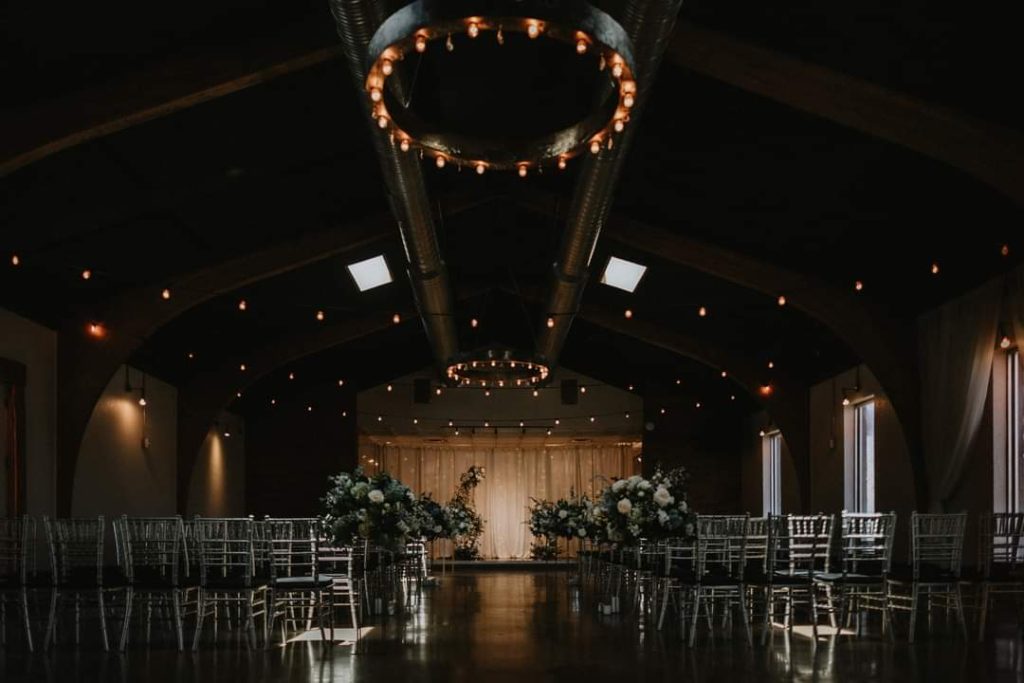
A wedding venue tour can become a visual experience when it needs to be an operational inspection. Couples naturally notice architecture, color, and photo locations. They are less likely to notice the server path behind the dance floor, the distance from parking to the entrance, or how an indoor ceremony changes the reception setup. When touring a wedding venue in Kansas City, observe how the property works with real people, weather, vendors, and timing. The most useful tour combines what you see with a realistic scenario based on your guest count and event plan. When we guide couples through a wedding venue tour, we encourage them to inspect how the property works, not only how it photographs. Arrival, guest flow, support spaces, sound, lighting, weather backup, staff responsibilities, and the fit of a real floor plan reveal whether the venue can support the wedding. Table of Contents Observe the Arrival Before You Enter the Room Read the Room at Your Guest Count Walk Every Transition in the Wedding Timeline Inspect the Spaces Guests Do Not Photograph Notice Sound, Light, Temperature, and Surfaces Watch How the Venue Team Explains the Work Tour with a Rain-Plan Scenario Frequently Asked Questions Walk Through Both Versions of Your Wedding at Our Venue Observe the Arrival Before You Enter the Room Begin in the parking area. Check the walking surface, accessible spaces, entrance visibility, weather exposure, rideshare location, and whether vendor unloading could conflict with guest arrival. A beautiful interior cannot correct a confusing entrance once invitations are sent. We provide onsite parking at our Holmes Road location. Couples drawing guests from both Missouri and Kansas should still confirm the clearest driving and entrance instructions for the invitation website. Read the Room at Your Guest Count Ask the representative to point out where tables, the dance floor, bar, buffet, DJ, cake, gifts, and accessibility aisles would go for your attendance range. An empty room often looks larger and quieter than it feels during an event. Stand in the corners and at the farthest likely table. Check whether guests can see the ceremony focal point or speeches, hear without excessive volume, and reach the bar or restroom without crossing formal moments. Walk Every Transition in the Wedding Timeline Move through getting ready, ceremony, cocktail hour, dinner, speeches, dancing, and departure. Ask where the wedding party waits, where guests go during a room flip, and how the couple re-enters for the reception. If the courtyard is part of the plan, walk the indoor alternative immediately afterward. Our current venue FAQ publishes a courtyard ceremony capacity of up to 90 guests, while wedding and reception capacity is higher indoors. The layouts need separate evaluation.     Inspect the Spaces Guests Do Not Photograph Restrooms, coat storage, hallways, kitchen access, vendor staging, trash routes, electrical outlets, and storage affect how smoothly the day operates. Ask where deliveries wait and where personal items remain secure during the event. Getting-ready suites should be evaluated for capacity, mirrors, outlets, light, furniture, restroom access, food, belongings, and the route to the ceremony. A suite that looks attractive may not support the full group and schedule. Notice Sound, Light, Temperature, and Surfaces Pause while the room is quiet. Ask how sound changes with a full guest count and where speakers are placed. Note natural and artificial light at the expected event time, temperature control, outdoor shade, floor surfaces, and routes for heels or mobility devices. Our historic architecture includes original wood arches and a 17-foot vaulted ceiling. Those elements create character, while the tour should also test the practical lighting, sound, and decor needs for your event. Watch How the Venue Team Explains the Work Ask operational questions and listen for clear boundaries. Who places venue-owned decor? Who changes the room? Who supports the soundcheck? Who removes personal items? Who decides on a weather move? Specific answers demonstrate an established process. Before leaving, request the current wedding package information, vendor policy, FAQ, sample layout, and next-step timeline. Photograph details only with permission and label the images so multiple venue tours do not blur together. Tour with a Rain-Plan Scenario During a tour, imagine 90 guests arriving for a courtyard ceremony while a fast-moving Kansas City storm makes the outdoor setup unusable. Ask where guests enter, where the ceremony moves, who resets the room, where cocktail service waits, and whether the reception floor plan must change. Walk that indoor route immediately rather than accepting a general statement that a backup is available. Check sightlines, chair placement, sound, wedding-party entry, and the guest transition after the ceremony. A detailed answer demonstrates both venue knowledge and an established process for adapting the day.   Frequently Asked Questions   How long should a wedding venue tour take? Allow enough time to walk guest and vendor routes, discuss a sample layout, review package scope, inspect support areas, and evaluate the weather backup. Tour length varies by venue. Should we bring our parents or wedding planner to the tour? Bring the people who will help make or execute the decision, but keep the group small enough to ask focused questions and hear the answers clearly. Can we ask to see a venue set for a wedding? Ask whether photos, floor plans, open houses, or a carefully scheduled setup viewing are available. Active events should not be disrupted or exposed without client permission. What should we photograph during a venue tour? With permission, photograph entrances, layouts, outlets, getting-ready spaces, weather-backup areas, parking routes, and details that affect decisions, not only decorative features. What is the most important thing to notice during a tour? Notice whether the venue supports your actual guest count and timeline comfortably and whether we can explain responsibilities, policies, and backup plans clearly.   Walk Through Both Versions of Your Wedding at Our Venue Use your guest range and timeline during a tour of our Kansas City event venue. Walk the indoor room, courtyard, arrival route, support spaces, and weather backup so your decision reflects how the

What Should You Really Look for When Touring a Wedding Venue in Kansas City? Read More »

What Should You Ask Before Touring a Wedding Venue in Kansas City?

Not every wedding venue needs an in-person tour. A short pre-tour conversation can confirm whether the date, guest count, budget framework, ceremony plan, required services, and major policies are compatible. That saves couples from touring a space they cannot realistically book. The best questions before touring a wedding venue in Kansas City are screening questions, not the entire final checklist. Ask enough to confirm fit, then save layout, atmosphere, and detailed operational questions for the visit. Before we schedule a wedding venue tour, we encourage couples to ask about date availability, comfortable capacity, current package structure, required services, ceremony and weather options, accessibility, parking, rental hours, and the booking process. Those questions confirm basic fit before anyone invests time in a visit. Table of Contents Prepare a Short Event Brief Confirm Date and Comfortable Capacity Ask for the Current Package and Fee Structure Screen Vendor and Service Policies Clarify Access, Ceremony Options, and Weather Backup Understand the Booking Path Before You Visit Send a Pre-Tour Inquiry That Produces Useful Answers Frequently Asked Questions Send Us Your Wedding Priorities Prepare a Short Event Brief Give the venue enough information to respond usefully: preferred date or season, ceremony and reception needs, guest range, event length, meal and bar expectations, accessibility considerations, and the three services most important to you. Avoid sending only ‘What does it cost?’ Venue pricing depends on the event format, date, package, access time, and services. A clear brief helps us recommend the relevant option instead of sending every document available. Confirm Date and Comfortable Capacity Ask whether the preferred date is open and whether a courtesy hold is possible. If the date is flexible, request comparable alternatives rather than assuming all Fridays, Saturdays, or seasons use the same package structure. Share a range, not an unrealistically low estimate. Ask whether that range works for the ceremony and reception layout you want. We currently publish up to 150 seated guests for weddings and receptions and up to 90 for courtyard ceremonies. Ask for the Current Package and Fee Structure Request the package that matches a ceremony and reception, reception-only event, micro wedding, or weekend plan. Ask which services are included, which are optional, and which fees appear outside the advertised rental amount. Do not negotiate line items before understanding the complete scope. First compare access, furniture, linens, coordination, audiovisual tools, setup, cleanup, catering, beverages, service fees, and optional upgrades for the same event assumptions.     Screen Vendor and Service Policies If a specific caterer, DJ, planner, cultural tradition, bar plan, or decor installation is non-negotiable, ask about it before touring. Venue rules can affect the budget and the wedding vision even when the room itself is a strong fit. Our current vendor policy generally keeps catering and beverages in-house, requires wedding DJs from the preferred list, and permits many other outside vendors. Confirm any vendor that matters to your plan. Clarify Access, Ceremony Options, and Weather Backup Ask how much guest-facing event time the relevant package provides and how the remaining access is used. Confirm getting-ready access, rehearsal, vendor setup, room flips, cleanup, and the earliest and latest possible times. If you want an outdoor ceremony, ask about capacity and whether an indoor backup is available. Save the detailed layout discussion for the tour, but make sure the preferred and backup plans are both possible before scheduling. Understand the Booking Path Before You Visit Ask what is required to reserve a date, how long proposals remain valid, who should attend the tour, and what documents will be provided afterward. Do not assume a tour places the date on hold. Our current FAQ section says a signed contract and retainer are required to secure a date. Terms can change, so confirm the current booking requirements and refund policy directly before making a payment. Send a Pre-Tour Inquiry That Produces Useful Answers A useful inquiry might say: We are planning a 115-person ceremony and reception next October, prefer an outdoor ceremony with an indoor backup, want buffet service and a hosted bar, and need step-free guest routes. Please send the current package, required vendor policies, total access hours, and the steps needed to secure a date. That message gives the venue enough information to identify obvious conflicts before a tour. It also creates a written record of the starting assumptions. The couple can use the reply to prepare targeted tour questions instead of spending the appointment collecting basic details that could have been confirmed in advance.   Frequently Asked Questions   Should we ask for pricing before touring a wedding venue? Yes. Request the current package and fee structure for your event type so you can confirm the venue fits the budget framework before investing time in a tour. What guest count should we give a venue before RSVPs? Provide an honest expected range and identify the maximum you are willing to accommodate. The venue can then discuss comfortable layouts and package requirements. Does scheduling a venue tour hold the wedding date? Usually not. Ask explicitly. At our venue, the current FAQ says a signed contract and retainer are required before a date is officially secured. What vendor questions should we ask before touring? Ask about any non-negotiable caterer, DJ, planner, bar plan, cultural service, decor installation, or outside rental before scheduling. What should we bring to the wedding venue tour? Bring the event brief, guest range, budget framework, must-have list, questions, calendar, and the decision-makers who need to understand the space and terms.   Send Us Your Wedding Priorities Share your date range, guest estimate, ceremony plan, and must-have services with our team. Once the current package and policies align with your priorities, schedule a tour and use the visit to test the layout, atmosphere, and planning process. Give The Martin Event Space a call at (816) 321-2789 if you’re looking for a place to host an event. Picking a venue can be harder than people think. You find one that’s too small. Another one is way over budget. Then there’s the

What Should You Ask Before Touring a Wedding Venue in Kansas City? Read More »

corporate event ideas

20 Creative Corporate Event Ideas for a Memorable Holiday Season

Take Your Corporate Event to the Next Level! As the holiday season approaches, it’s the perfect time to think about celebrating successes, boosting team morale, and setting intentions for the new year. Your corporate event during this season offers a wonderful opportunity to bring people together, show appreciation, and build stronger relationships among colleagues. If you’re planning a company gathering, holiday-inspired themes and engaging activities can turn a typical work event into a memorable celebration. From holiday parties to end-of-year workshops, here are 20 corporate event ideas that can bring seasonal spirit and connection to your team. 1. Festive Holiday Cocktail Party Bring the team together with a festive cocktail party featuring seasonal drinks like spiced cider, mulled wine, and creative holiday cocktails. Decorate with twinkling lights, seasonal foliage, and cozy lounge areas for mingling. This relaxed, festive event encourages team bonding and allows colleagues to unwind as the year comes to a close. 2. Winter Wonderland Gala Transform your event space into a winter wonderland with icy blue and silver decor, snowy centerpieces, and a winter-themed photo booth. A gala-style event can be a formal yet festive way to celebrate the season. Include a catered dinner, live music, or even a dance floor for an unforgettable night. 3. End-of-Year Reflection & Goal-Setting Workshop Wrap up the year by reflecting on achievements and setting new goals for the future. Start with an engaging workshop on personal and professional growth, followed by breakout sessions where teams can discuss objectives for the upcoming year. Include holiday-themed treats and warm beverages to keep things cozy. 4. Ugly Sweater Networking Mixer Add some lighthearted fun to a networking event by making it an “ugly sweater” mixer. Encourage attendees to wear their best (or worst!) holiday sweaters and offer a prize for the most creative outfit. With holiday music and a hot cocoa bar, this event blends networking with a festive twist. 5. Holiday Team-Building Games Plan a team-building day that incorporates holiday-themed games and activities. From gingerbread house decorating competitions to holiday trivia, these games are a fun way to foster team spirit. Include a prize for the winning team to add an extra layer of friendly competition. 6. Outdoor Hot Chocolate & S’mores Social For a casual, winter-inspired gathering, host an outdoor hot chocolate and s’mores social. Set up fire pits, provide blankets, and offer a DIY hot chocolate bar with marshmallows, whipped cream, and peppermint sticks. This is a cozy way to bring the team together for relaxed conversation and seasonal treats. 7. Thanksgiving Potluck Lunch Encourage team members to bring their favorite holiday dishes for a Thanksgiving potluck lunch. This event allows everyone to share a part of their culture or family tradition, creating a more intimate and community-focused gathering. Make it a weekly or monthly event to keep the tradition alive. 8. Employee Appreciation Awards Ceremony Close the year by recognizing and rewarding employees’ hard work. Host an awards ceremony with fun, personalized awards, such as “Best Team Player” or “Most Creative Thinker.” Include a catered dinner, music, and a photo wall for employees to capture the evening’s memories. 9. Charity Gift-Wrapping Party Plan a gift-wrapping party for a local charity, where employees can wrap donated presents for families in need. Provide holiday music, snacks, and decorations to create a festive atmosphere. This type of event helps build team spirit and connects your company with the local community. 10. Winter Wellness Day Support employee well-being with a winter wellness day that includes yoga or meditation sessions, chair massages, and workshops on mindfulness and stress management. Offer healthy snacks, herbal teas, and small wellness gifts like essential oils or stress-relief kits. 11. New Year’s Vision Board Workshop Inspire employees to set personal and professional goals with a New Year’s vision board workshop. Provide art supplies, magazines, and other materials so attendees can create vision boards that reflect their goals and aspirations. This activity is creative, reflective, and helps employees visualize their future. 12. Product Launch with a Holiday Twist If you’re launching a new product or service, consider turning the event into a holiday celebration. Add seasonal touches to the launch event, like festive decorations or winter-themed demonstrations, to make it feel unique and memorable. 13. Client Appreciation Open House Invite clients to an open house event where they can learn more about your company’s work over the past year and plans for the next. Include holiday-themed decor, hors d’oeuvres, and drinks to create a welcoming and festive environment. 14. Holiday Pop-Up Market Host a holiday pop-up market featuring local artisans, where employees can do some holiday shopping while supporting small businesses. Offer gift-wrapping services and include holiday music to create a festive shopping experience. It’s a great way to encourage corporate social responsibility. 15. Virtual Holiday Party (for Remote Teams) For remote teams, a virtual holiday party can bring everyone together online. Include activities like a virtual Secret Santa, holiday-themed trivia, or a virtual escape room. Send gift packages to participants ahead of time with festive treats and small surprises. 16. Holiday-Themed Scavenger Hunt Organize a holiday scavenger hunt within the venue or around the city. Teams can solve clues to find seasonal items or complete holiday-themed challenges. This interactive event is ideal for team bonding and can be customized to reflect your company’s culture. 17. Outdoor Movie Night Set up a projector and screen outdoors for a holiday movie night featuring classics like Home Alone or Elf. Provide warm blankets, popcorn, and seasonal snacks. This cozy, fun event allows employees to relax and enjoy a favorite holiday tradition. 18. Cookie Decorating Workshop Arrange a cookie-decorating workshop where employees can get creative with icing, sprinkles, and holiday-themed cookie cutters. This hands-on activity brings out creativity and can double as a take-home treat for the participants. 19. Year-End Presentation & Luncheon Host a year-end luncheon with a company-wide presentation that highlights key achievements, goals, and milestones. Include a catered lunch and end with a toast to the team. This type

20 Creative Corporate Event Ideas for a Memorable Holiday Season Read More »

schedule a tour of the martin event space to start planning you event

What to Ask Your Wedding Venue Before Booking, Plus Red Flags to Avoid

Booking your wedding venue is one of the most important steps in planning your big day. With so many decisions to make, you want to ensure you’re asking the right questions to avoid hidden surprises. While every venue has different policies and offerings, knowing what to ask can help you find the perfect fit for your wedding. Here are some essential questions to ask for your wedding checklist and why they matter, along with insights on potential red flags and important follow-up questions. 1. What’s Included in the Venue Rental Fee? One of the most common issues couples run into is hidden costs, so it’s crucial to know what the venue rental fee covers. Many venues have a base price that only covers the use of the space, while other essential services—like tables, chairs, linens, or lighting—come with additional fees. Without asking upfront, you might be caught off guard by extra costs. Red Flags: A venue that offers a low rental fee but asks for separate payments for items like seating or tableware can quickly blow your budget. Venues that don’t have a clear list of what’s included may signal potential surprise costs later on. Follow-Up Questions: Does the venue have in-house options for extras like lighting, or will you need to rent these from a third-party vendor? Can they provide a breakdown of what each additional item costs? Does the venue provide seating, and is it included in the rental price? Are table linens, dinnerware, and décor provided, or do they need to be rented separately? What’s the cost of any add-ons, such as audiovisual equipment or specialty lighting? Understanding what’s included up front is important because these “extras” are essential for your event and can often add up quickly. 2. What Is the Venue’s Capacity? Before booking, ensure the venue’s capacity can comfortably accommodate your guest list. You don’t want your event to feel overcrowded or, on the other hand, too spacious for a small gathering. Venues have different capacities based on the type of event—seated dinners typically require more space than cocktail-style receptions. Red Flags: If a venue claims it can accommodate your guest count but won’t provide a clear floor plan or layout, that’s a warning sign. A venue that pushes the maximum capacity may leave your guests cramped or uncomfortable. Follow-Up Questions: Can you see examples of how past events were laid out for a guest list similar to yours? Are there different capacity limits for indoor vs. outdoor spaces? Will the venue be able to handle additional services like a dance floor or buffet stations without feeling crowded? It’s important to make sure your venue not only fits your guests but also allows enough space for things like a dance floor, bar stations, and any additional features like a buffet or stage. 3. Are There Vendor Restrictions? Some venues require you to use their preferred vendors for services like catering, bar service, florals, or even photography, while others allow you to bring in outside vendors. Both options have their advantages, but make sure you’re aware of the rules and potential fees for bringing in your own vendors. Red Flags: Limited vendor options can be a problem if you’re not excited about the venue’s recommended vendors. If a venue allows outside vendors but charges hefty fees for doing so, those “savings” you might find in using your own caterer can quickly disappear. Follow-Up Questions: What are the requirements or fees if we decide to bring in outside vendors? Can we meet the preferred vendors before booking, or can the venue provide references for their work? Asking about vendor flexibility is critical, as your vendors can greatly impact the style, cost, and overall experience of your wedding. 4. What Does the Day-of Coordination Look Like? A day-of coordinator can make all the difference in ensuring your event runs smoothly. Some venues provide this service, while others might require you to hire a separate coordinator or manage the day’s logistics yourself. Knowing what level of support you’ll have can give you peace of mind as your wedding day approaches. Red Flags: If the venue doesn’t offer a day-of coordinator or requires you to handle logistics on your own, be prepared for a lot of extra work. Vague answers about who will handle things like vendor coordination or timeline management can leave you scrambling on the day of. Follow-Up Questions: What specific responsibilities does the day-of coordinator handle? Will they be available throughout the entire event, or only during certain hours? Will there be any support staff, such as event managers or AV technicians, on-site during the event? Having a clear understanding of what support is provided ensures you know exactly what you’re paying for and can avoid unnecessary stress. 5. What Are the Policies on Decorations and Setup? Every couple wants to put their personal touch on the venue, but some places have restrictions on what decorations you can use. Other venues may charge additional fees for setup and teardown, adding unexpected costs to your budget. Red Flags: Venues that don’t allow basic decorations like candles, lighting, or hanging décor may limit your ability to personalize the space. Charging extra for setup or teardown could leave you with a lot of work on the day itself—or hefty labor fees. Follow-Up Questions: Are there restrictions on decorations like open flames, confetti, or hanging items? Does the venue staff handle setup and teardown of décor and rented items, or is that our responsibility? What time will we have access to the venue for setup? Understanding the venue’s policies ensures you won’t be surprised by extra fees or limitations on how you can decorate for your big day. 6. Is There Parking, and How Does It Work? Parking is often an afterthought, but it can make a big difference for your guests. You’ll want to know if parking is included, how accessible it is, and whether there’s enough space for all your guests. Red Flags: Limited parking options or

What to Ask Your Wedding Venue Before Booking, Plus Red Flags to Avoid Read More »

The Hidden Costs of Budget Wedding Venues: What You Need to Know

Choosing a wedding venue is one of the biggest decisions you’ll make when planning your big day, and it’s easy to be tempted by the low prices of budget wedding venues. But what many couples don’t realize is that these “affordable” venues often come with a list of hidden fees that can quickly add up, turning that great deal into a financial drain. It’s essential to understand what you’re actually paying for when booking a budget venue. From missing amenities to extra charges for setup and teardown, what seems like a cost-effective choice can end up costing far more in time, stress, and unexpected expenses. Knowing where these hidden fees lie can help you make a more informed decision that aligns with both your vision and your budget. Amenities: The Real Price Behind the Basics One of the most common ways budget wedding venues keep their initial prices low is by excluding essential amenities. While the base rental fee might look like a bargain, it often doesn’t include basics like tables, chairs, linens, or even lighting. Renting these items from third-party suppliers can become a costly and time-consuming endeavor. Example Scenario: Tables and Chairs: Many venues charge anywhere from $5 to $15 per chair and up to $50 per table. A wedding with 150 guests could easily see these costs climb to $2,000 or more just for seating. Linens: Renting tablecloths, napkins, and other linens often ranges from $10 to $30 per table, adding another few hundred dollars to your budget. Lighting and Décor: To create the right atmosphere, you might need to rent additional lighting or décor, which can add hundreds or even thousands to the total cost. Vendor Restrictions and Extra Charges A lot of budget wedding venues have strict vendor policies, meaning you’re either required to use their preferred list of caterers and bartenders or pay a fee for bringing in outside vendors. These charges are often hidden in the fine print and can limit your ability to choose the best options for your day. Hiring from a limited list of vendors not only drives up costs but also might compromise the quality and style you’re looking for. Even when venues allow outside vendors, they frequently charge “vendor fees” or require additional insurance policies, which add to the expense. What to Ask: Are there approved vendor lists you must follow? Are there fees for using your own caterers, photographers, or entertainment? Catering Costs: More Than Just the Meal One of the most significant hidden costs at budget venues comes from catering. When food isn’t included in the venue’s pricing, couples often underestimate how much it will cost to bring in an outside caterer. Beyond the price of the meal itself, additional costs can include tableware rentals, staffing fees, and travel charges for the food. To give you a better idea, here’s what those hidden catering costs can look like: Tableware Rentals: When caterers don’t include dishware, you might pay up to $5 per person just for plates, cutlery, and glasses. For a 150-person wedding, that’s another $750 on top of your food costs. Service Staff: Hiring wait staff for dinner service can range from $20 to $40 per hour, per staff member. Depending on your guest list, this can mean an additional expense of several hundred dollars. Set-Up and Teardown: Labor Costs You Didn’t Expect Another common cost that budget venues leave out is the fee for setup and teardown. These venues often require you to handle these tasks yourself or hire external help, which means you’re either spending your wedding day setting up decorations or paying additional labor fees to have someone else do it. Handling logistics like setting up chairs, arranging tables, and packing up decorations isn’t something you should have to worry about on your wedding day. In most cases, the money saved on a cheaper venue quickly disappears when you factor in these overlooked tasks. Day-of Coordination: The Glue That Holds It All Together A day-of coordinator is an unsung hero for any wedding, managing all the moving parts so that you don’t have to. Budget venues often skip this essential service, expecting couples to either handle the details themselves or hire an outside planner. The cost of a professional coordinator can range anywhere from $1,000 to $3,000, depending on the level of involvement. Without a coordinator, you may find yourself answering vendor questions, solving last-minute problems, and worrying about the schedule instead of enjoying your day. It’s easy to underestimate how much effort goes into managing the event itself until you’re in the thick of it. Why We Do Things Differently at The Martin Event Space At The Martin Event Space, we believe that your wedding should be a joyous, stress-free occasion, not a series of logistical challenges. That’s why we’ve designed our services to be as inclusive as possible, eliminating those hidden fees that catch couples by surprise. We include essential amenities like tables, chairs, and linens in our base rental fee. When you choose our in-house catering, you get not just freshly prepared, delicious meals made in our on-site kitchen, but also free tableware and service staff to handle dinner and cleanup. That means less stress and more time to focus on what really matters—celebrating with your loved ones. We also provide a day-of coordinator who works closely with you to ensure every detail is perfect, from start to finish. We believe in offering full support so you can enjoy your special day without the worry of managing logistics or solving last-minute problems. The Martin Experience: Designed for Your Peace of Mind What sets us apart from other venues in Kansas City is our dedication to making the planning process as seamless as possible. Our team takes care of the setup, teardown, catering, and coordination so you don’t have to lift a finger. We’re here to make sure your wedding is as memorable and beautiful as you’ve always dreamed, without any hidden costs or unpleasant surprises. When you book

The Hidden Costs of Budget Wedding Venues: What You Need to Know Read More »